Four months without a period: don’t just wait it out
You asked: I haven’t had a period in four months. Is it fine to wait for it to come back?
I haven’t had a period in four months. Is it fine to wait for it to come back?
Researched
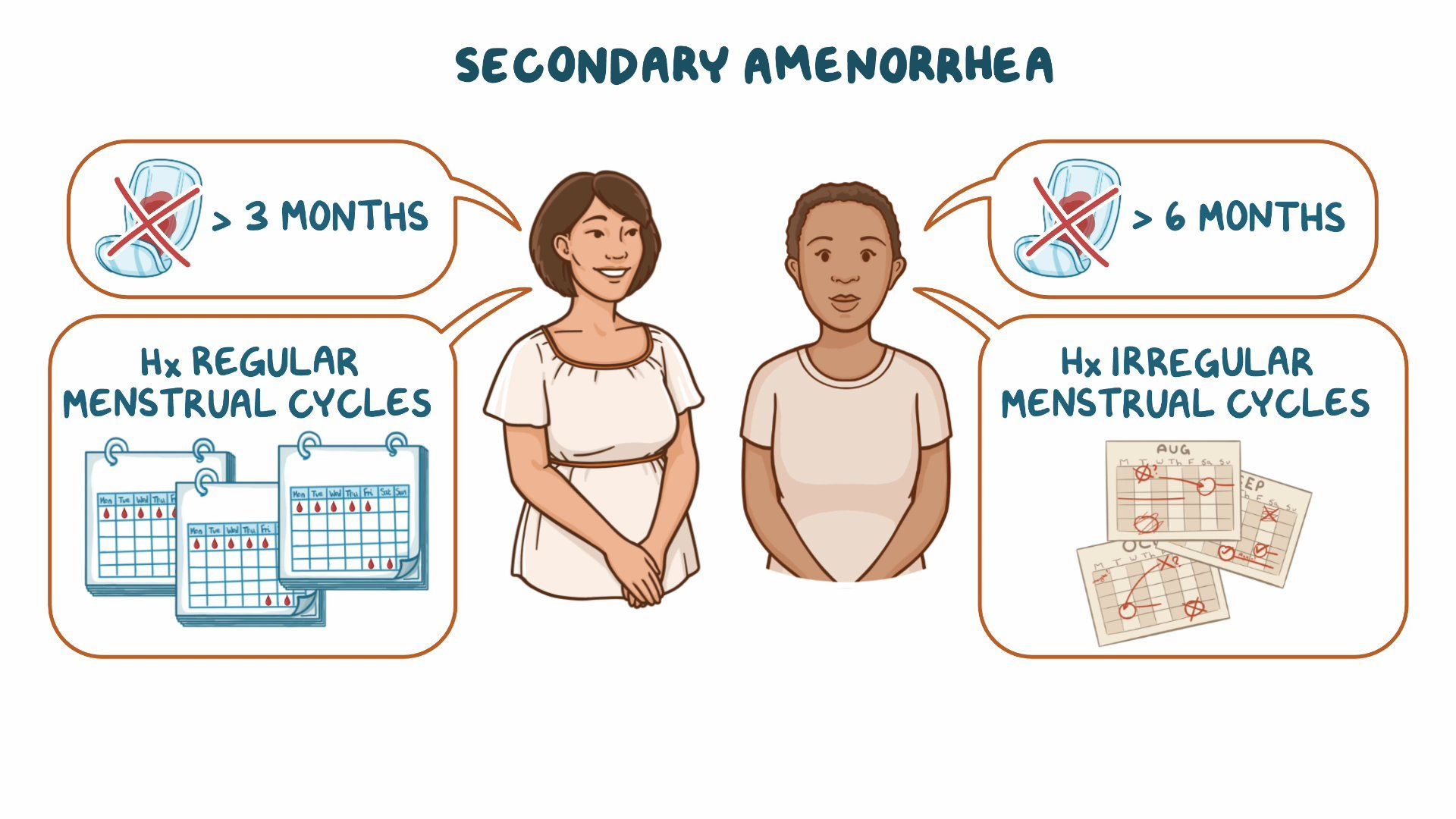
Arrange a medical appointment soon rather than waiting for your period to return on its own. If your periods were usually regular, four months without one meets the definition of secondary amenorrhea: no menstrual periods for more than three months after previously regular cycles. It should be evaluated. If your cycles were already irregular, the usual definition uses six months, but pregnancy still needs to be ruled out now. [1]
What to do now
Take a home pregnancy test today if pregnancy is possible. Do this even if you use contraception or your cycles are usually irregular. Pregnancy is the first cause clinicians consider when periods stop. A negative home test does not always settle the question, so keep the appointment, especially if you tested early or have pregnancy symptoms. [1]
When you book, say that you have had no period for four months. A primary-care clinician, gynecologist, or sexual-health clinic can assess this. Bring or write down:
- the date of your last period and your usual cycle pattern
- pregnancy-test results and contraception use
- recent major stress, illness, weight change, diet change, or intense exercise
- medicines, including hormonal contraception
- symptoms such as acne or new facial hair, nipple discharge, headaches, hot flashes, pelvic pain, or bleeding
Many causes are treatable. They include pregnancy, polycystic ovary syndrome (PCOS), stress or major exercise and eating changes that affect hormone signals, thyroid problems, high prolactin, and reduced ovarian function. Some hormonal contraceptives and breastfeeding can also stop bleeding. The missed periods alone cannot show which cause applies. [1] [2]
At the visit, the clinician will usually review your history and symptoms, do an examination when appropriate, and confirm whether you are pregnant. They may order blood tests, often including thyroid, prolactin, and reproductive-hormone tests. A pelvic ultrasound may also be useful, depending on the situation. [1]
Get urgent care for pain or bleeding
Seek emergency care now for sudden severe abdominal or pelvic pain, shoulder pain, weakness, severe dizziness, or fainting. These can be warning signs of a ruptured ectopic pregnancy, which is a pregnancy growing outside the uterus and can cause dangerous internal bleeding. [3]
If you have a positive pregnancy test plus pelvic or abdominal pain or vaginal bleeding, contact an urgent clinician promptly. Ectopic pregnancy can initially cause mild one-sided pelvic pain or abnormal bleeding, so it needs assessment rather than watchful waiting. [3]
A four-month gap is not a diagnosis, and it does not automatically mean something dangerous. But it is long enough to check for pregnancy and find the reason rather than continue to wait.
Sources
- 1.American Society for Reproductive Medicine asrm.org
- 2.BMJ Best Practice bestpractice.bmj.com
- 3.ACOG acog.org