The 10 best products for wildlife photographers
You asked: What are the top 10 products for wildlife photographer
What are the top 10 products for wildlife photographer
Researched
There is no single best wildlife kit. The right purchases depend on how far away your subjects are, how much gear you can carry, and whether you shoot fast birds or low-light mammals. Start with reach and a lens system, not the camera body alone. Fast autofocus, burst shooting, weather resistance, battery life, and support all matter in the field. [1]
Ranked by image-making value
-
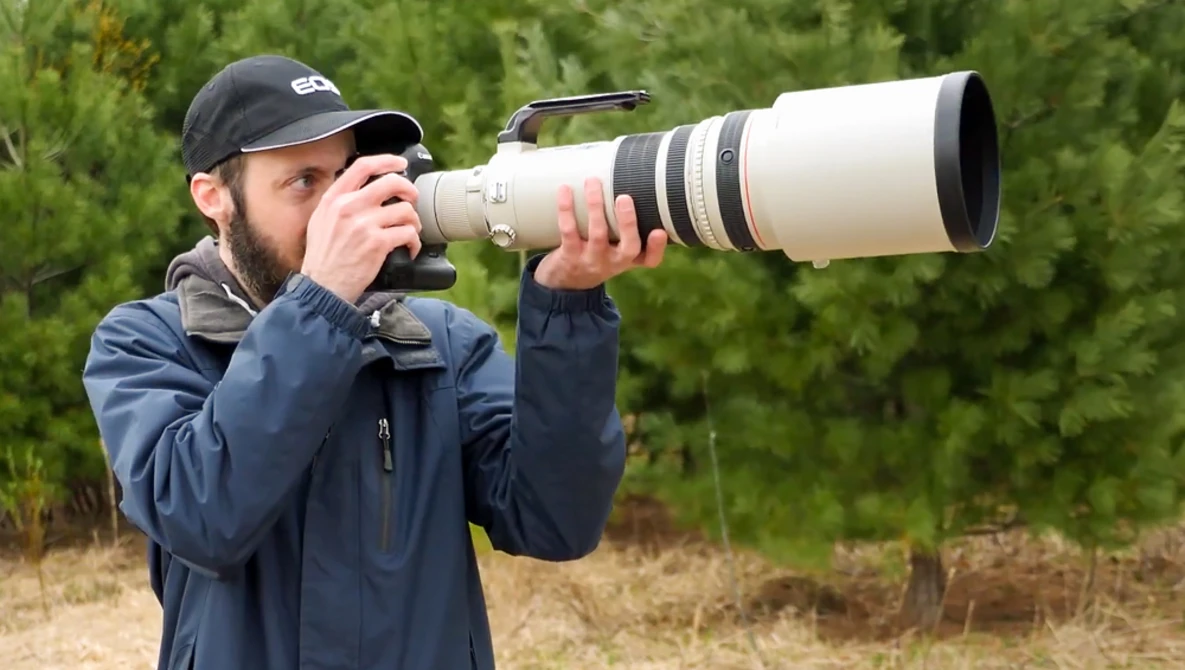
A long telephoto zoom — This is usually the best first purchase. Choose a lens that reaches at least 300mm; 400–600mm is often more useful for small or distant animals. A zoom lets you reframe when an animal moves. The Sony FE 200–600mm f/5.6–6.3 G OSS is one established example for Sony E-mount users. [2]
-
A wildlife-capable mirrorless camera body — Look for dependable animal or bird detection, continuous autofocus, and a useful burst mode. The Canon EOS R7 is a strong value APS-C option for distant wildlife; its smaller sensor gives a tighter field of view with a given lens. The OM System OM-1 Mark II is especially appealing when hiking weight and weather sealing matter. [3]
-
A faster telephoto lens upgrade — Buy this after a long zoom if you often shoot at dawn, dusk, or in woodland. A wide-aperture prime lets in more light and can blur backgrounds more strongly. The trade-off is high cost, weight, and less flexible framing.
-
A stable tripod and gimbal head — A gimbal balances a long lens around its center of gravity, so you can pan and tilt smoothly while tracking action. It is most valuable with 300mm-and-longer lenses, long waits, and birds in flight. Match the tripod and head to more than your full camera-and-lens weight. [4]
-
A monopod or vehicle beanbag — This is the lighter support option for walks, safaris, and places where a tripod is awkward. It reduces arm fatigue but offers less stability than a tripod.
-
Fast, compatible memory cards — Burst shooting fills a camera buffer quickly. Buy cards in the exact type and speed class your camera supports, then carry a second card. A fast camera is less useful if it pauses during a short action sequence. [5]
-
Two spare batteries and a charger or power bank — Cold weather, long waits, image review, and electronic viewfinders consume power. Keep batteries warm and carry enough power for a full day away from the car.
-
A fitted rain cover and cleaning kit — A rain cover protects camera controls and a long lens during wet sessions. Add a blower, microfiber cloths, and a dry pouch. Weather sealing helps, but it does not make every lens or camera waterproof.
-
Quality binoculars — Use binoculars to find and watch animals before lifting the camera. This saves energy and helps you keep a respectful distance. They are often more useful in the field than another small camera accessory. [2]
-
A weatherproof camera backpack or shoulder bag — Choose one that carries your longest lens securely and still leaves room for water, layers, and emergency supplies. For long hikes, comfort and weight distribution matter more than extra pockets.
What to buy first
- New wildlife photographer: telephoto zoom, then a capable body if your present camera cannot focus or burst fast enough.
- Hiker or traveler: lightweight APS-C or Micro Four Thirds body, compact long zoom, and monopod.
- Birds in flight: long zoom, responsive autofocus body, fast cards, then tripod and gimbal.
- Mammals at dawn or dusk: camera body with good low-light performance, then a faster telephoto lens.
- Vehicle or hide photographer: tripod/gimbal or beanbag before adding more lens reach.
Check lens mount compatibility before buying. Also test whether the complete kit is comfortable to carry, not just whether each item looks good on a specification sheet.
No product makes it acceptable to crowd, bait, or disturb wildlife. Keep the animal’s welfare ahead of the photograph. Avoid changing natural behavior, and follow local rules. If you use a camera trap, drone, bait, or controlled setting, disclose it where relevant; drones are prohibited in U.S. national parks. [6]
Sources
- 1.RTINGS rtings.com
- 2.Lynn Barsigian Photography lynnbarsigianphotography.com
- 3.RTINGS rtings.com
- 4.Finding Dulcinea findingdulcinea.com
- 5.Finding Dulcinea findingdulcinea.com
- 6.National Wildlife Federation nwf.org