Does “polycystic ovaries” on ultrasound mean I have PMOS?
You asked: My ultrasound says ‘polycystic ovaries,’ but my cycles are regular and I have no other symptoms. Do I have PMOS?
My ultrasound says ‘polycystic ovaries,’ but my cycles are regular and I have no other symptoms. Do I have PMOS?
Researched
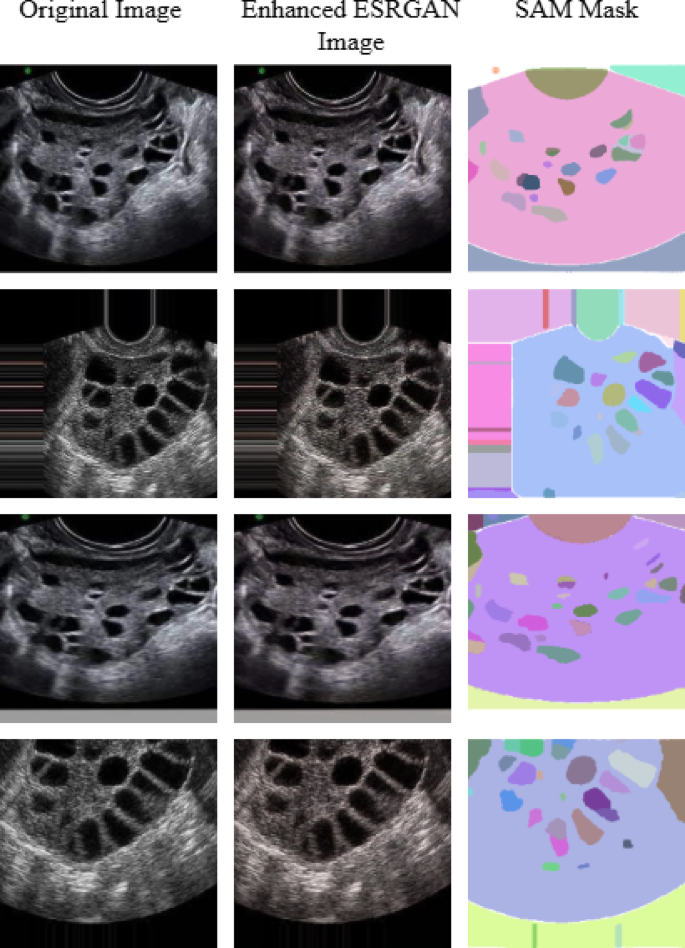
Not by itself. PMOS, short for polyendocrine metabolic ovarian syndrome, is the newer name for what was called PCOS. An ultrasound report saying “polycystic ovaries” describes an ovarian pattern, called polycystic ovarian morphology (PCOM). It is only one possible feature of PMOS, not a diagnosis on its own. [1]
With regular cycles and no signs of higher androgen activity, such as new excess facial or body hair, persistent acne, or scalp-hair thinning, the report alone does not show that you have PMOS. A clinician should interpret it with your history and, if needed, an exam or targeted blood tests. [2]
Why the scan and the syndrome are different
For adults, PMOS is diagnosed only after other possible causes are considered and at least two of three features are present:
- Infrequent, irregular, or absent ovulation.
- Clinical or blood-test evidence of higher androgen activity.
- PCOM on ultrasound, or an anti-Müllerian hormone (AMH) result used appropriately as an alternative. [3]
So, an ultrasound finding alone supplies only one feature. It does not establish the syndrome.
Also, “polycystic” is a confusing older word. It usually refers to many small follicles—normal egg-containing structures seen in a particular pattern—not large, harmful ovarian cysts. The name was changed in part because true ovarian cysts are not required for the condition. [4]
What regular cycles mean
Regular periods usually make ongoing ovulation problems less likely. However, regular bleeding does not prove that ovulation occurs every cycle. If there is a specific reason to check, such as trouble becoming pregnant, a clinician can assess ovulation, sometimes with a timed progesterone blood test. [5]
If you are an adolescent or within about eight years of your first period, ultrasound should not be used to diagnose PMOS. Ovarian follicle patterns commonly overlap with normal puberty, so diagnosis instead requires both irregular cycles and signs or tests showing higher androgen activity. [6]
A sensible next step
Bring the report to the clinician who ordered the ultrasound or to your primary-care or gynecology clinician. Ask what the finding means in your age, medical history, medications, and reason for having the scan. An incidental PCOM finding does not automatically need treatment.
Arrange an evaluation if you develop cycle changes, excess coarse hair growth, persistent acne, scalp-hair thinning, or difficulty conceiving. Seek prompt care for new or severe pelvic pain, since that needs assessment for causes beyond PMOS.
Sources
- 1.International PCOS guideline monash.edu
- 2.StatPearls ncbi.nlm.nih.gov
- 3.International PCOS guideline academic.oup.com
- 4.International PCOS guideline onlinelibrary.wiley.com
- 5.PCOS Guideline Summary monash.edu
- 6.Adolescent PMOS recommendations pmc.ncbi.nlm.nih.gov