Options for irregular periods after hormonal birth control affected your mood
You asked: Hormonal birth control seriously affected my mood. What options can I discuss for irregular periods?
Hormonal birth control seriously affected my mood. What options can I discuss for irregular periods?
Researched
You do not have to retry a birth-control method that seriously harmed your mood. Make an appointment to discuss both the bleeding pattern and what happened to your mood. The best treatment depends on the cause, whether you need pregnancy prevention, and whether the problem is long gaps between periods, frequent bleeding, heavy bleeding, or pain.
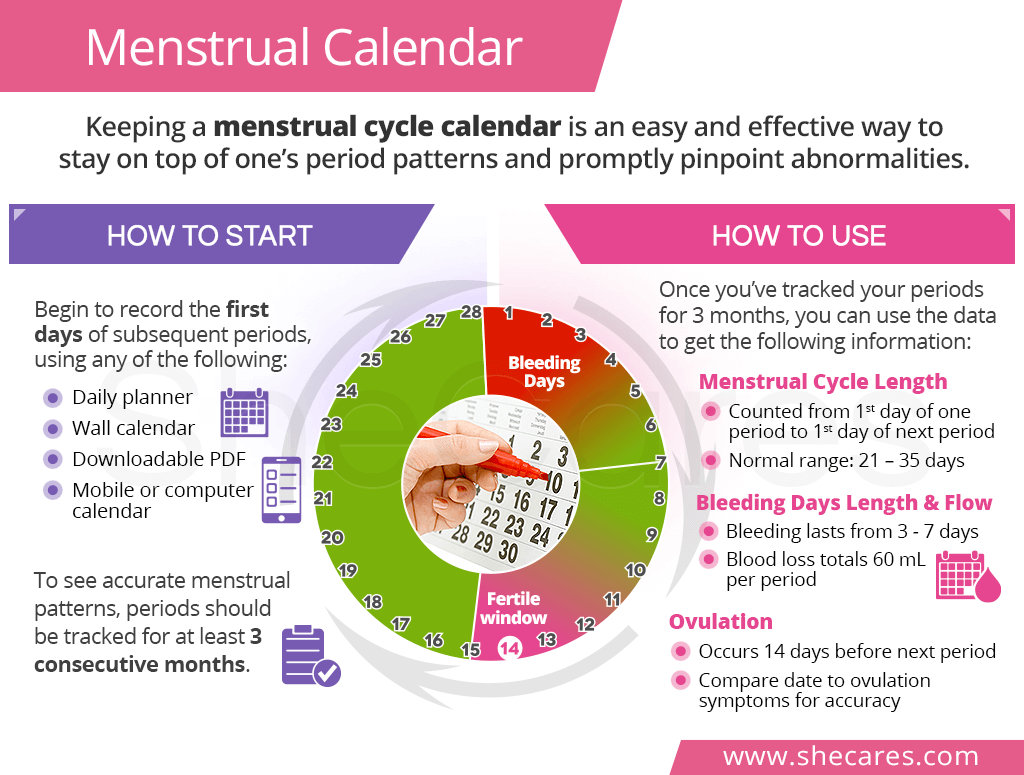
A cycle is often considered irregular when its timing varies substantially, occurs less than 21 days or more than 35 days apart, or bleeding lasts over 7 days. Going 3 to 6 months without a period also needs assessment. [1]
First, find the cause
Irregular periods are a symptom, not one diagnosis. A clinician will usually review your cycle history, medicines, pregnancy possibility, and symptoms. Testing may include a pregnancy test and blood count, with thyroid or other tests when indicated. An exam, ultrasound, or uterine-lining sample is sometimes needed based on age, bleeding pattern, and risk factors. [1]
Possible causes include polycystic ovary syndrome (PCOS), thyroid conditions, high prolactin, major weight or energy-balance changes, stress, some medicines, fibroids or polyps, and the transition toward menopause. [2]
Long, repeated gaps without ovulation deserve attention. The uterine lining can keep growing under estrogen without regular shedding, which can raise the risk of abnormal lining changes. That is why a clinician may recommend treatment to protect the lining even if you do not need contraception. [3]
Nonhormonal options to ask about
These options can help with heavy or painful bleeding, but they usually do not make ovulation or cycle timing regular:
- NSAIDs, such as ibuprofen or naproxen, can reduce menstrual flow and cramps for some people. Ask before using them if you have kidney disease, ulcers, bleeding risks, or take medicines that may interact.
- Tranexamic acid is a nonhormonal prescription medicine taken during bleeding to reduce heavy flow. It is not appropriate for everyone, including people with certain clotting or stroke histories. [4]
- Iron testing and iron treatment may be needed if heavy bleeding has caused iron deficiency or anemia. [5]
- Treating the cause may help most. For example, managing a thyroid condition, PCOS-related concerns, a bleeding disorder, or fibroids is different from simply suppressing bleeding.
Track dates, flow (spotting, light, medium, heavy), pain, and mood symptoms. This record helps separate a cycle problem from medication-related bleeding. [1]
If you also need contraception
Condoms and other barrier methods are hormone-free, but they will not regulate periods. A copper IUD is also hormone-free and provides effective contraception. However, it can cause heavier or longer bleeding and more cramps, especially in the first 3 to 6 months, so it may be a poor fit if heavy periods are already the main problem. [6]
A clinician may still discuss a different hormonal method, including a hormonal IUD, a pill, or a progestin course for lining protection. Your past mood reaction should be documented and taken seriously. Research does not show one consistent mood effect for everyone, but some people do report mood changes. Individual counseling, a clear plan to monitor mood, and changing methods if symptoms return are appropriate. [7]
What to bring to the appointment
Write down:
- when mood symptoms started, how severe they were, and when they improved after stopping;
- cycle dates, bleeding amount, pain, bleeding between periods, and bleeding after sex;
- all medicines and supplements, relevant health history, and any family bleeding history;
- whether avoiding pregnancy, predictable bleeding, less pain, acne treatment, or future fertility is your main priority.
Seek emergency care now for bleeding that soaks at least one pad or tampon an hour for over two hours with dizziness, lightheadedness, chest pain, or shortness of breath. [1] Get urgent mental-health help or call emergency services if you have thoughts of suicide, feel unable to stay safe, or have severe mood deterioration.
Sources
- 1.ACOG: Abnormal Uterine Bleeding acog.org
- 2.AAFP: Abnormal Uterine Bleeding aafp.org
- 3.NIH: Abnormal Uterine Bleeding ncbi.nlm.nih.gov
- 4.Mayo Clinic Proceedings mayoclinicproceedings.org
- 5.ACOG: Heavy Menstrual Bleeding acog.org
- 6.CDC: Intrauterine Contraception cdc.gov
- 7.CoSRH: Hormonal Contraception and Mental Health cosrh.org