Does PMOS mean you can stop contraception?
You asked: I have PMOS, so I probably can’t get pregnant. Can I stop using contraception?
I have PMOS, so I probably can’t get pregnant. Can I stop using contraception?
Researched
No. Do not stop contraception solely because you have PMOS if you do not want to become pregnant. PMOS can make ovulation less frequent or unpredictable, but it does not make pregnancy impossible. Many people with PMOS get pregnant, including without fertility treatment. [1]
PMOS means polyendocrine metabolic ovarian syndrome. It is the newer name for what was called polycystic ovary syndrome (PCOS). You may still see PCOS on test results, prescriptions, and older health information. [2]
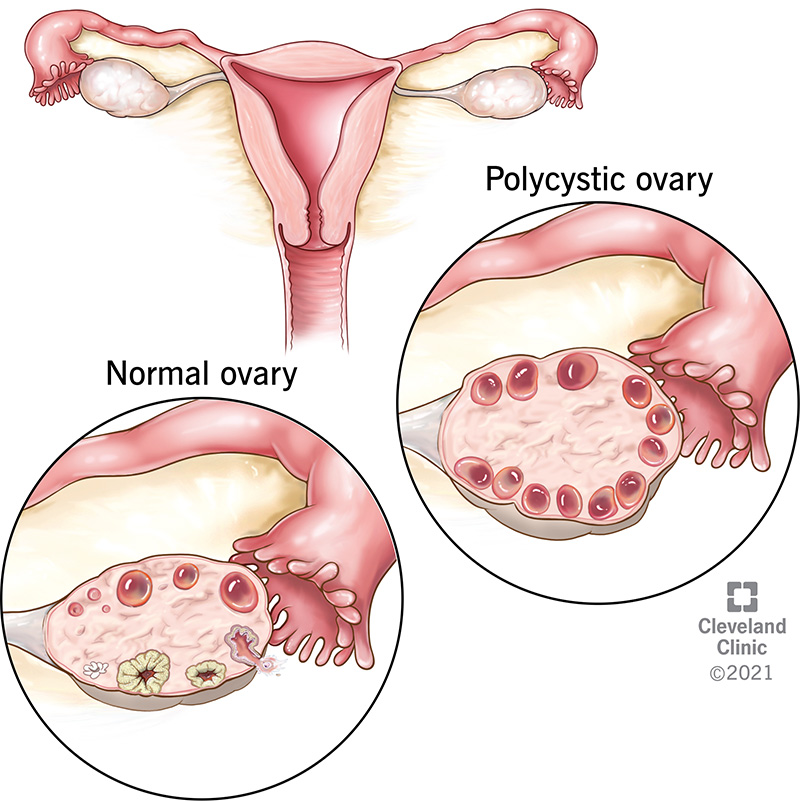
PMOS often involves ovulatory dysfunction. In plain terms, an ovary may not release an egg regularly. That can cause long, irregular, or missed periods and can make pregnancy harder to plan. But ovulation can still happen at an unexpected time. If sperm is present, pregnancy is possible. [3]
What to do now
- Keep using your current reliable contraception unless a clinician tells you it is safe to stop or change it.
- Use condoms or avoid penis-in-vagina sex if you have already stopped a method and do not want pregnancy.
- Take a pregnancy test if you have had sex without reliable contraception, had a contraceptive failure, or are unsure whether your irregular period could be pregnancy. Irregular periods can make a missed period hard to notice. [4]
- Get urgent medical care if pregnancy is possible and you have severe pelvic or abdominal pain, heavy bleeding, fainting or severe dizziness, or shoulder pain.
Your contraception may be doing more than preventing pregnancy
Hormonal contraception can be prescribed for PMOS symptoms as well as pregnancy prevention. Depending on the method, it may make bleeding more regular and help with acne or extra hair growth. Estrogen-progestin methods can also protect the uterine lining when ovulation is infrequent. [5]
That does not mean every method is right for every person. Your choice should reflect your health history, other medicines, side effects, and whether you want pregnancy now, later, or not at all. Do not stop a prescribed pill, injection, patch, ring, implant, or IUD just because PMOS has made pregnancy difficult before. A clinician can help you switch methods safely if your current one no longer suits you. [6]
Also, treatments can change fertility. For example, weight changes, metformin, and medicines used for other PMOS concerns may lead to ovulation in some people. If pregnancy is not wanted, contraception remains important during those changes. [5]
Sources
- 1.Mayo Clinic mayoclinic.org
- 2.NICE nice.org.uk
- 3.NICHD nichd.nih.gov
- 4.Harvard Health health.harvard.edu
- 5.MSD Manual msdmanuals.com
- 6.ReproductiveFacts reproductivefacts.org